 Building More Than a Car: Creating Lasting Memories
with Your Child’s First RC Kit
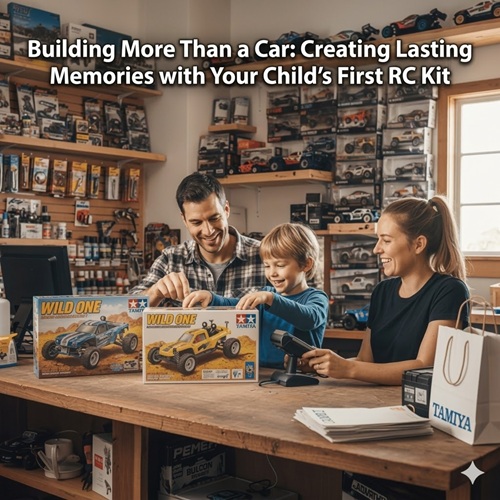
There’s a special kind of magic that happens on a workbench. It’s the quiet focus, the shared challenge, and the final, triumphant moment when something you built together roars to life. For many of us, that memory is tied to an RC car kit, a gift from a parent that was more than just a toy—it was an experience.
Now, you’re looking to pass that torch to your own child, a young builder between 7 and 12 years old. You remember the iconic Tamiya box art, the thrill of seeing all the parts laid out, and the pride of a finished build. You want to recreate that moment. But where do you start? The world of RC has changed since the 1980s.
Today, we’re going to explore two fantastic paths to creating that core memory: the modern, durable champion and the nostalgic, classic journey.
Path 1: Our Top Recommendation for Maximum Fun – The Traxxas Slash 2WD Kit

If your goal is to have a successful build that leads to hours of driving, crashing, and immediate fun, we wholeheartedly recommend the Traxxas Slash 2WD Kit.
The Slash is a short-course truck, and it’s arguably the most popular RC vehicle of the last decade for a reason. Here’s why the kit version is the perfect parent-child project for today’s world:
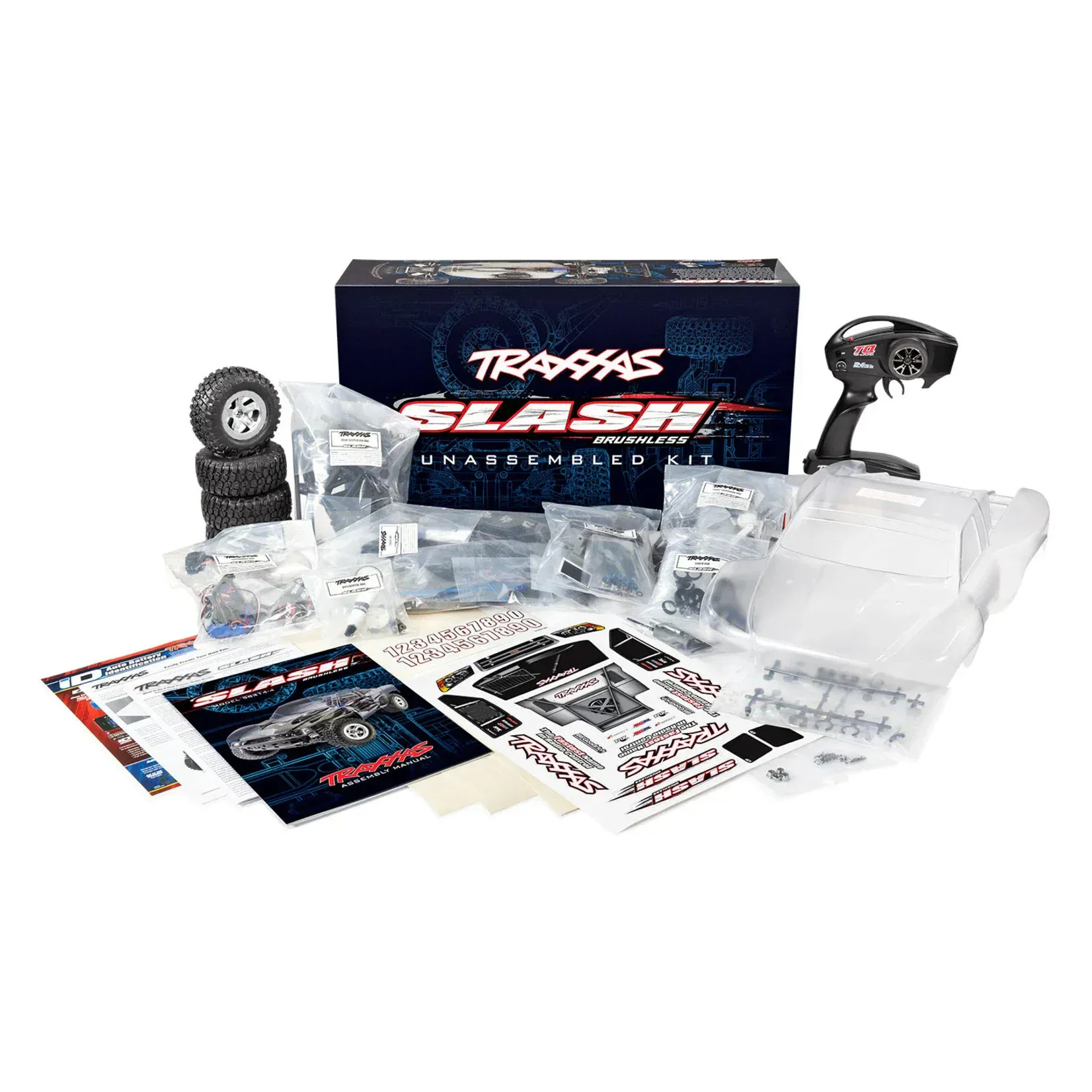
- Engineered for Success: The instructions are full-color, step-by-step, and incredibly clear. The parts are bagged and labeled for each stage of the build, minimizing confusion and keeping your young builder engaged.
- Incredible Durability: Let’s be honest, your child is going to crash it. A lot. The Slash is designed to take a beating. Its composite plastic parts are flexible and tough, meaning you’ll spend more time driving and less time fixing.
- Parts are Everywhere: When a part does eventually break, you can walk into virtually any hobby shop (including ours!) and find the replacement on the wall. This is a huge advantage over vintage kits.
- Awesome Performance: Right out of the box, the Slash is fast, handles well, and is incredibly fun to drive. The kit includes the motor and waterproof electronics, so you’re building a truly capable machine from the start.
Building the Traxxas Slash: Tips for Success
- Set Up Your Space: Clear a large table. Use a tray with a lip or a few small bowls to keep screws and small parts from rolling away.
- Follow the Manual: The Traxxas manual is your best friend. Build in the exact order it shows. Don’t skip ahead.
- Let Your Child Lead: This is their project. Let them turn the screws, pop the ball ends on, and find the parts for each step. Your job is to be the supervisor and helper. A good task for him is to be the “parts manager,” finding the correct bag for the next step.
- Explain the “Why”: As you build, explain what the parts do. “This is the differential. It lets the wheels spin at different speeds when you turn, just like a real car!” This turns the build into a learning experience.
- What You’ll Still Need: The Slash kit comes with almost everything, but you will need to purchase a battery pack, a charger, and 4 AA batteries for your transmitter. You’ll also need some basic tools, though Traxxas includes some to get you started.
For a first-time builder, the Traxxas Slash kit provides the smoothest path from opening the box to driving in the backyard, ensuring the project ends with a huge smile and a sense of accomplishment.
Path 2: The Nostalgic Journey – Building a Classic Tamiya

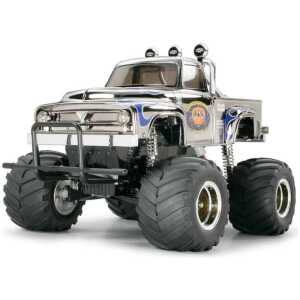
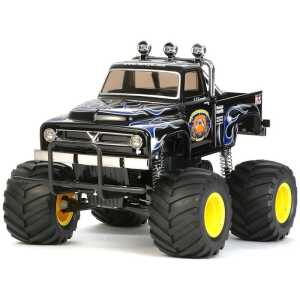
We get it. The heart wants what the heart wants. You see a Tamiya Hornet, a Grasshopper, or a Lunch Box, and the memories come flooding back. You want your child to experience that exact same magic, and we completely understand. Building a classic Tamiya is a wonderful project, but it requires a different mindset.
Here, the build itself is the main event. These kits are a time capsule of 1980s engineering. They are quirky, fun, and have a character all their own. If you’re set on this path, let’s make sure you do it right.
The Tamiya “Must-Do” Checklist

A vintage-style Tamiya kit is not all-inclusive. To bring it up to modern standards and ensure it’s reliable, you’ll need more than what’s in the box.
Your Shopping List:
- The Tamiya Kit: Choose an icon! The Grasshopper is a great first build. The Lunch Box is hilarious and fun. The Hornet is a legend.
- Radio System: You’ll need a 2-channel surface transmitter and receiver.
- Steering Servo: A standard-size servo is required to steer the vehicle.
- Electronic Speed Controller (ESC): This is not optional. The old kits came with a finicky 3-step mechanical speed control. A modern ESC will provide smoother control, better efficiency, and is far more reliable.
- Battery Pack: A standard 7.2V 6-cell NiMH pack is the perfect fit.
- Battery Charger: You’ll need a charger compatible with your NiMH battery.
- Paint: The bodies are clear, so you’ll need Tamiya “PS” polycarbonate spray paint for the color scheme you and your child design.
- THE SINGLE MOST IMPORTANT UPGRADE: Ball Bearings! The stock kits come with plastic bushings for the wheels and gearbox to rotate in. These create a lot of friction. A full set of metal ball bearings will make the car faster, the battery last longer, and dramatically reduce wear on the parts. Install them during the build when the manual calls for a plastic bushing.
Building a Tamiya: Tips for a Smoother Trip Back in Time
-
- Get a Good Screwdriver: Many Tamiya kits use Phillips-head screws that can be soft. A high-quality screwdriver (we recommend a JIS – Japanese Industrial Standard – driver if possible) will prevent stripping the screw heads and causing frustration.
- Take Your Time on the Gearbox: The gearboxes can be a little tricky. Lay the parts out exactly as shown in the diagram and assemble them slowly. This is where you want to install your ball bearings.
- Painting is a Project: Painting the body is a multi-step process. First, wash the inside of the body with soap and water and let it dry completely. Then, apply thin, even coats of paint from about 10-12 inches away. It’s better to do 3 light coats than 1 heavy one. Let your child pick the colors and help mask it off!
The Final Verdict: Which Path is for You?
The choice comes down to one simple question: What is the primary goal of the project?
-
-
- If the goal is the shared experience of driving, durability, and modern performance, with a straightforward and rewarding build, the Traxxas Slash 2WD Kit is the undeniable winner.
- If the goal is to recreate a specific memory, enjoy the process of a more intricate build, and appreciate the charm of a vintage design, a classic Tamiya Kit (with the necessary upgrades) is a beautiful journey back in time.
-
No matter which box you open together, the real kit you’re building is the memory. You’re teaching patience, how to follow instructions, and the joy of creating something with your own hands. Stop by the shop, and let’s find the perfect box to get you started. Happy building!