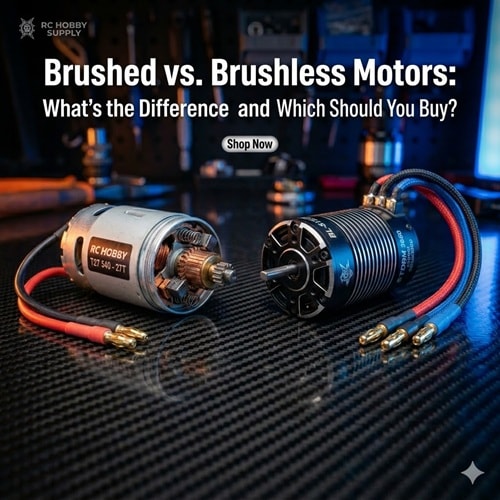
Brushed vs. Brushless Motors: What’s the Difference and Which Should You Buy?
If you’re shopping for your first RC car — or looking to upgrade — one of the first questions you’ll run into is: brushed or brushless motor? It sounds technical, but the difference is straightforward once you know what to look for. This guide will walk you through everything you need to know so you can pick the right setup for your style and budget.
How a Brushed Motor Works
A brushed motor is the older, simpler of the two technologies. Inside, two small carbon “brushes” make physical contact with a spinning part called the commutator. This contact transfers electricity to the motor coils and creates rotation. It’s a proven design that’s been around for decades.
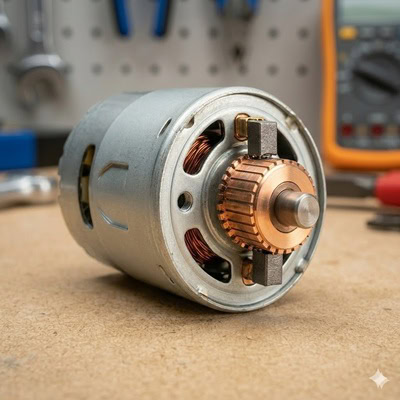
Because the brushes are always rubbing against the commutator, there’s constant friction — which means heat builds up faster, the motor loses some efficiency, and over time, the brushes wear down and need to be replaced.
How a Brushless Motor Works
A brushless motor eliminates the brushes entirely. Instead, an electronic speed control (ESC) manages the flow of electricity to the motor coils electronically, with no physical contact needed. The result is a motor that runs cooler, more efficiently, and with far less maintenance.
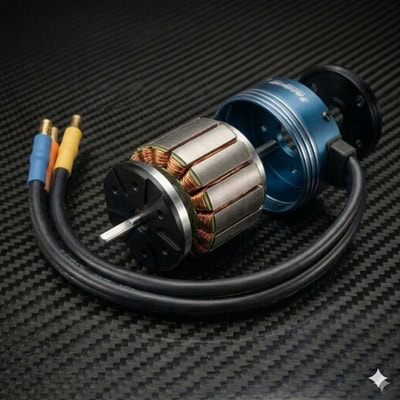
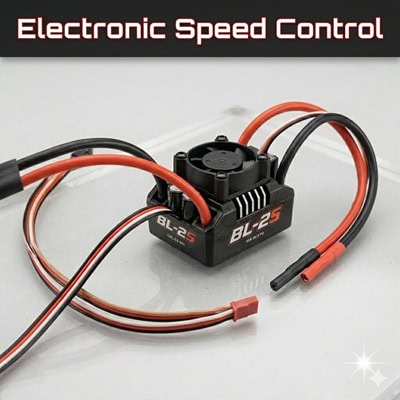
Brushless motors are more complex and cost more to produce — which is why you’ll find them in mid-range and high-end RC vehicles — but the performance and longevity payoff is significant.
Brushed vs. Brushless: Quick Breakdown
Brushed Setup:
- Cost: Lower entry price—perfect for tight budgets.
- Speed: Good overall performance, great for learning.
- Efficiency & Run Time: Moderate battery efficiency leads to slightly shorter runs.
- Heat & Maintenance: Friction causes them to run hotter; carbon brushes eventually wear down.
- Best For: Absolute beginners and younger kids.
Brushless Setup:
- Cost: Higher initial investment, but lasts much longer.
- Speed: Excellent power delivery and high top-speeds.
- Efficiency & Run Time: Highly efficient design maximizes battery life for longer runs.
- Heat & Maintenance: Runs noticeably cooler with virtually zero mechanical wear.
- Best For: RC enthusiasts, experienced drivers, and serious bashers.
Summer Weather & Motor Heat: Keep It Cool!
As the weather warms up, managing your RC car’s temperature becomes a top priority. High ambient temperatures mean your electronics will heat up much faster, and thermal shutdown is a real risk when bashing on a hot afternoon.
Because brushed motors already generate significant internal friction, running them hard in hot weather can quickly degrade the brushes and weaken the magnets. Brushless systems handle the heat better and run more efficiently, but they aren’t completely immune to a scorching summer day.
Essential Hot-Weather Upgrades: Fans & Heatsinks
If you plan on running your vehicle in peak summer heat, investing in a few simple cooling accessories will prolong the life of your electronics:
Motor Heatsinks: These aluminum collars clip directly onto your motor housing. The finned design pulls heat away from the motor core, giving it more surface area to dissipate into the air.
Electric Cooling Fans: Mounting a high-RPM cooling fan directly onto your motor heatsink or your ESC (Electronic Speed Control) provides constant airflow. This is a must-have upgrade if you are running high-voltage 4S or 6S brushless setups or if you’ve changed your gearing for maximum speed.
💡 Quick Tip: On hot days, give your vehicle a break every 5 to 10 minutes. Let the motor cool down to the touch before popping in a fresh battery pack!
Which One Should You Choose?
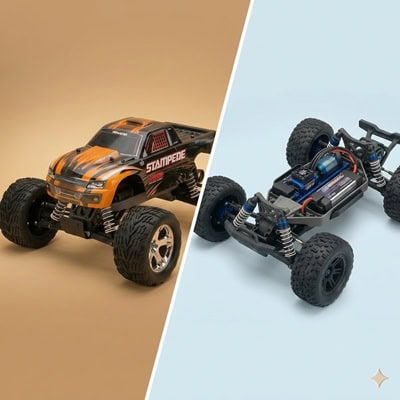
Go brushed if: You’re buying for a younger child, it’s your very first RC car, or you want the lowest possible entry price. Brushed trucks like the Traxxas Stampede 2WD are durable, easy to run, and great for learning the ropes without worrying about breaking an expensive setup.
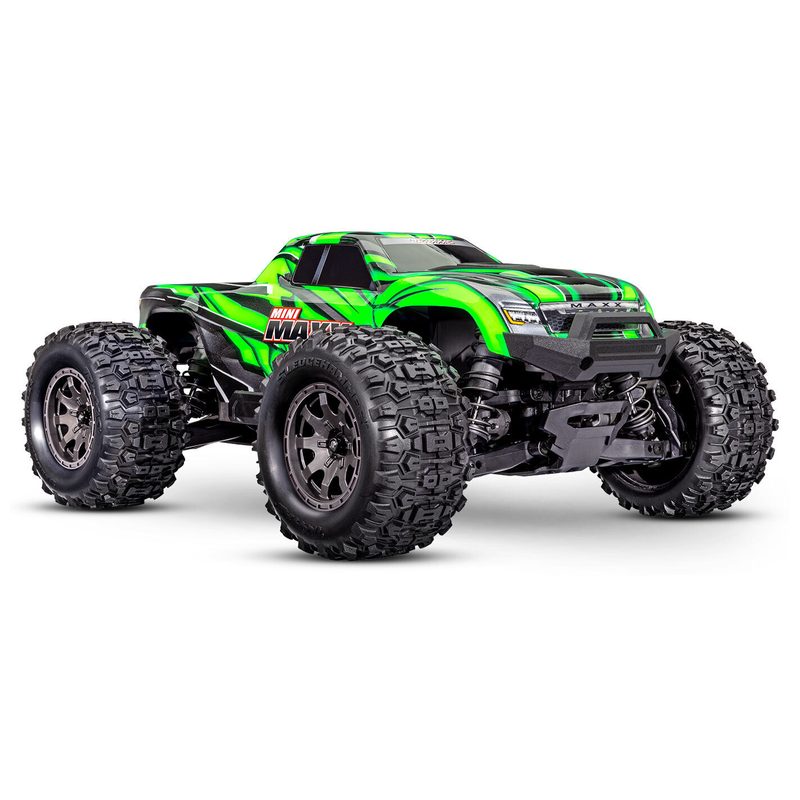
Go brushless if: You want real speed, longer run times, and a machine that can keep up with serious bashing. Brushless systems like the BL-2S found in the Traxxas Mini Maxx BL-2S deliver noticeably more punch and run cooler under hard use. For the ultimate in brushless performance, look at 4S and 6S systems like those powering the Arrma Talion 6S EXB — capable of 75+ mph out of the box.
What About BL-2S?
You may see “BL-2S” listed on several vehicles at RC Car World. This refers to a brushless motor system designed to run on a 2-cell (2S) LiPo battery — making it an accessible entry point into brushless performance without jumping straight to high-voltage setups. It’s a great middle ground for drivers ready to step up from brushed but not quite ready for 4S or 6S power.
A Note on Batteries
Brushless systems almost always require LiPo (Lithium Polymer) batteries, which deliver more power and longer run times than the NiMH packs often bundled with brushed RTR vehicles. If you’re going brushless, make sure to factor in a quality LiPo battery and a compatible charger — our team at RC Car World can help you pick the right combo for your vehicle.
Still Not Sure? Ask Us!
Choosing between brushed and brushless doesn’t have to be complicated. Stop by our shop at 2305 Garry Rd., Cinnaminson, NJ 08077 or give us a call at 856-720-0017 and we’ll point you in the right direction based on your experience level, budget, and how you want to run.